During my last semester of college, I was fortunate to take a restaurant management class that acquainted me with a completely new area of law. My professor assigned an article from The New York Times about the alleged fraudulent production of Brunello di Montalcino using grapes other than the Sangiovese varietal. (Read more about my introduction to wine and the law here.) One year later, I was blessed with the opportunity to travel to Montalcino during a trip to the Emilia-Romagna region. The visit was as much inspirational as it was breathtaking and alluring. After returning home, and while feeding on memories from my trip, I decided to write about the legal aspects of the wine industry for a law review article. For me, Montalcino will always symbolize a personal inception to wine and law.
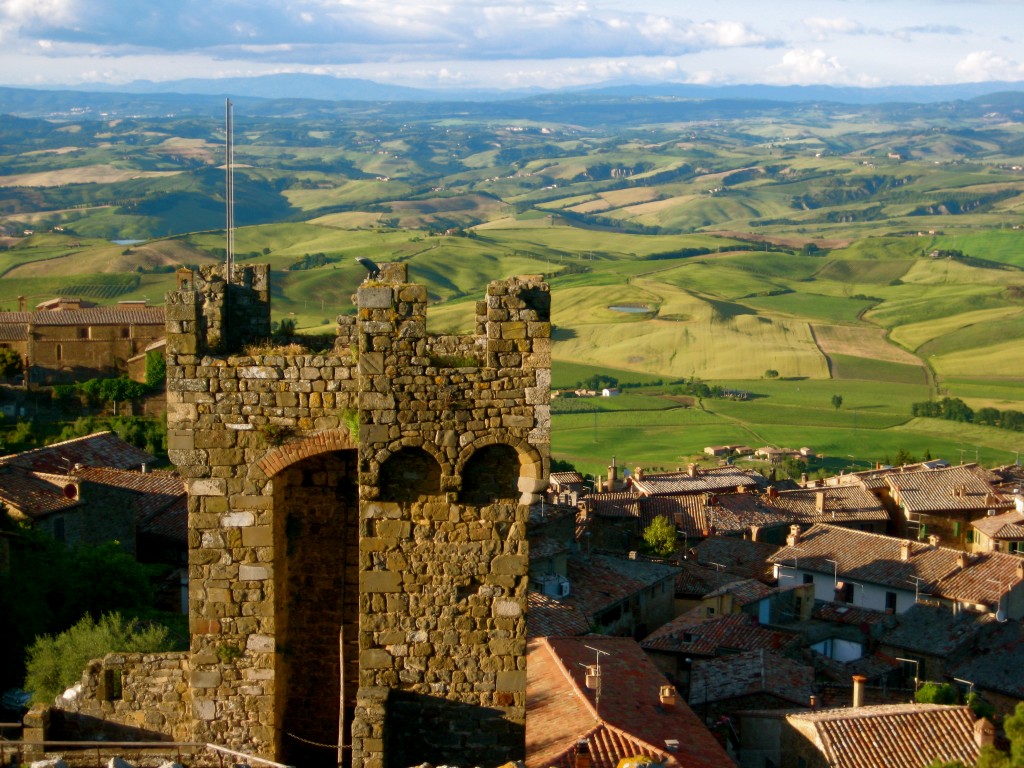 The above story is why, to this day, I still feel particularly captivated when I hear about Montalcino—especially in relation to wine law.
 DISCLAIMER: This blog post is for general information purposes only, is not intended to constitute legal advice, and no attorney-client relationship results. Please consult your own attorney for legal advice.
I completely agree brunello wine is one of the most good